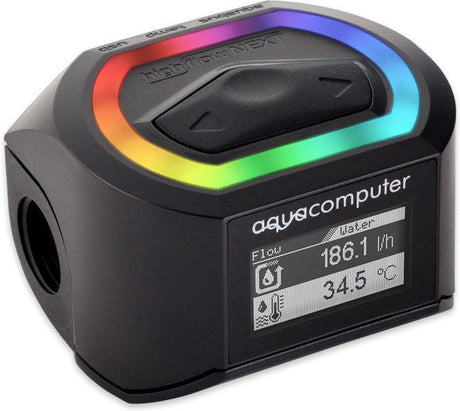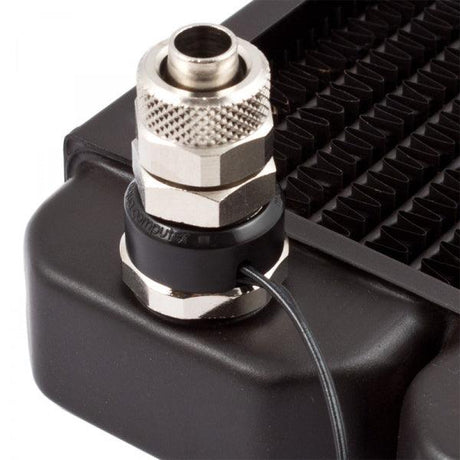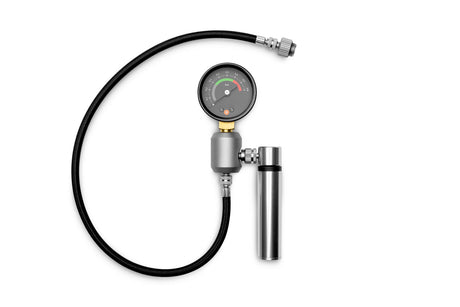


Aquacomputer Flow Sensor High Flow NEXT, G1/4
$88.99Unit price /Unavailable
 Up to 9% off
Aquacomputer OCTO Fan Controller for PWM Fans
$72.85$79.99Unit price /Unavailable
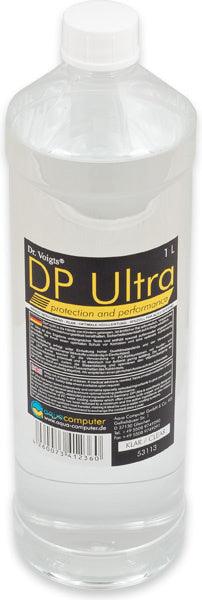
Aquacomputer DP Ultra (Double Protect) 1L Clear
$11.99Unit price /Unavailable

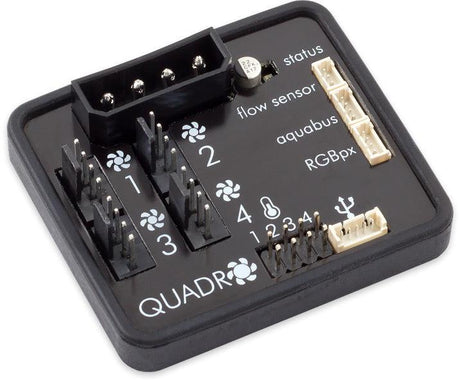
Aquacomputer QUADRO Fan Controller for PWM Fans
$54.85Unit price /Unavailable

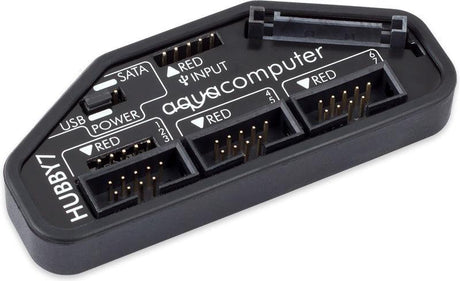
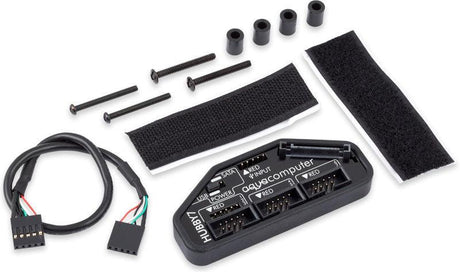
Aquacomputer HUBBY7 Internal USB 2.0 Hub
$29.99Unit price /Unavailable

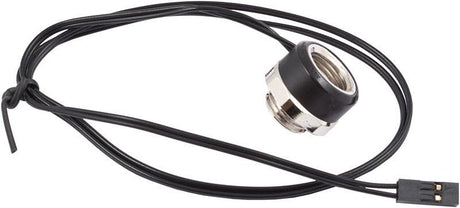
Aquacomputer Temperature Sensor Internal/External Thread G1/4
$8.32Unit price /Unavailable
![FrozenCPU Gift Card - FrozenCPU]()
![FrozenCPU Gift Card - FrozenCPU]()
![FrozenCPU Gift Card - FrozenCPU]()
![FrozenCPU Gift Card - FrozenCPU]()
![FrozenCPU Gift Card - FrozenCPU]()
![FrozenCPU Gift Card - FrozenCPU]()
 From $10.00Unit price /Unavailable
Watercool HEATKILLER® Tube - basic mount
$19.85Unit price /Unavailable $31.99Unit price /Unavailable
-
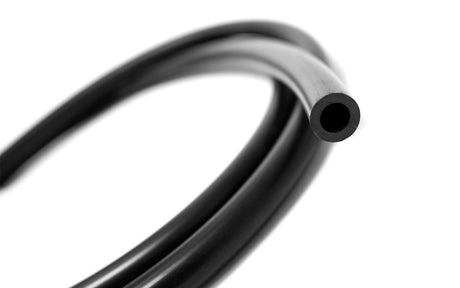
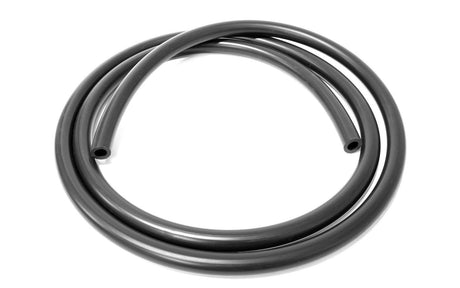
Watercool HEATKILLER EPDM Tubing 16/10 (ID3/8") Black - 3M
$14.99Unit price /Unavailable -
Up to 7% off
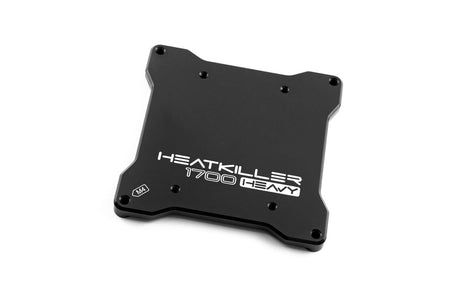
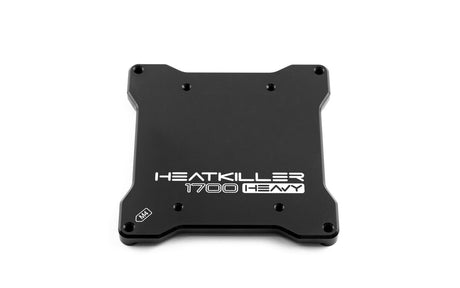
Watercool HEATKILLER LGA 1700 Heavy Backplate
$26.85$28.95Unit price /Unavailable 
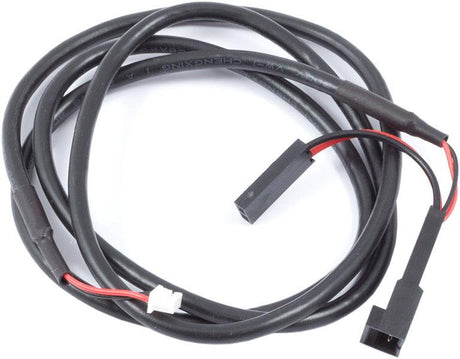
Aquacomputer Connection Cable Alarm Output Miniature Plug to Mainboard Power Button
$3.99Unit price /Unavailable
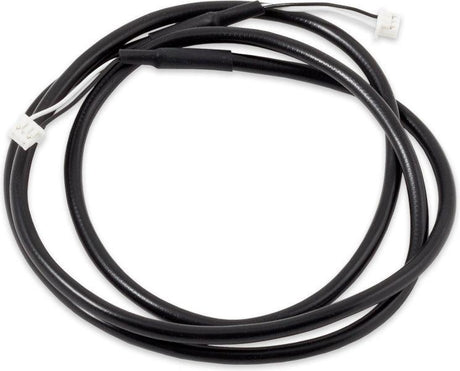
Connection Cable Signal Header of High Flow NEXT to 3 pin Miniature Connector
$3.99Unit price /Unavailable
 $54.85Unit price /Unavailable
-
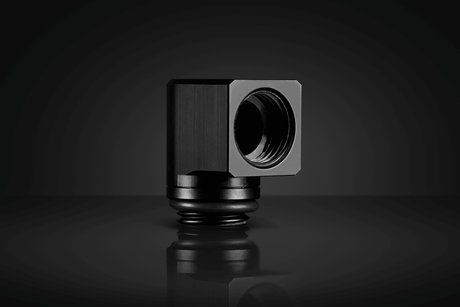
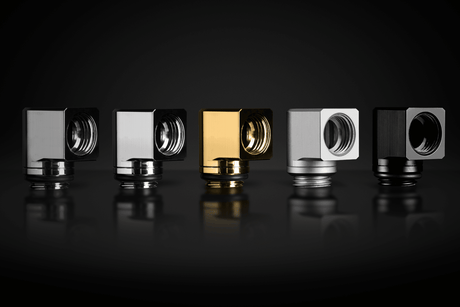
EK-Quantum Torque Micro Rotary 90° - Black
$14.99Unit price /Unavailable -
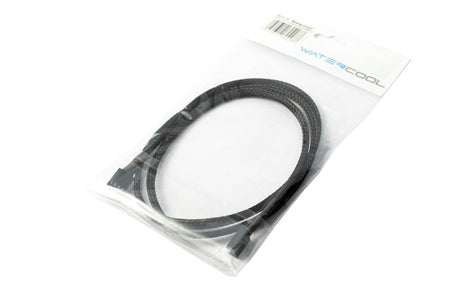
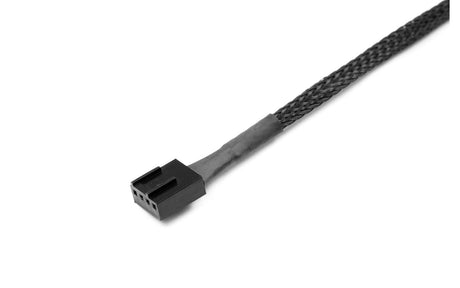
Watercool PWM Splitter Extension 4-Pin Male to 4-Pin Male 90cm Black
$4.99Unit price /Unavailable